

I've spent the past year watching marketers debate on-site SEO tactics based on outdated assumptions and gut feelings. After synthesizing 18 recent studies on what actually moves the needle, I'm sharing what the data reveals—because the gap between common advice and measurable results is wider than most realize.
On-site SEO is the practice of optimizing individual web pages to rank higher in search results. The data shows it works: pages ranking #1 capture 39.8% of all clicks, and optimizing Core Web Vitals can increase mobile revenue by up to 42%. This guide breaks down what 18 recent studies reveal about title tags, page speed, content structure, and the elements that actually drive rankings in 2026.
Table of Contents
Why On-Site SEO Research Matters Now
The search landscape has fundamentally shifted. With generative engine optimization reshaping how AI systems evaluate and cite content, traditional on-site SEO tactics need validation against current data.
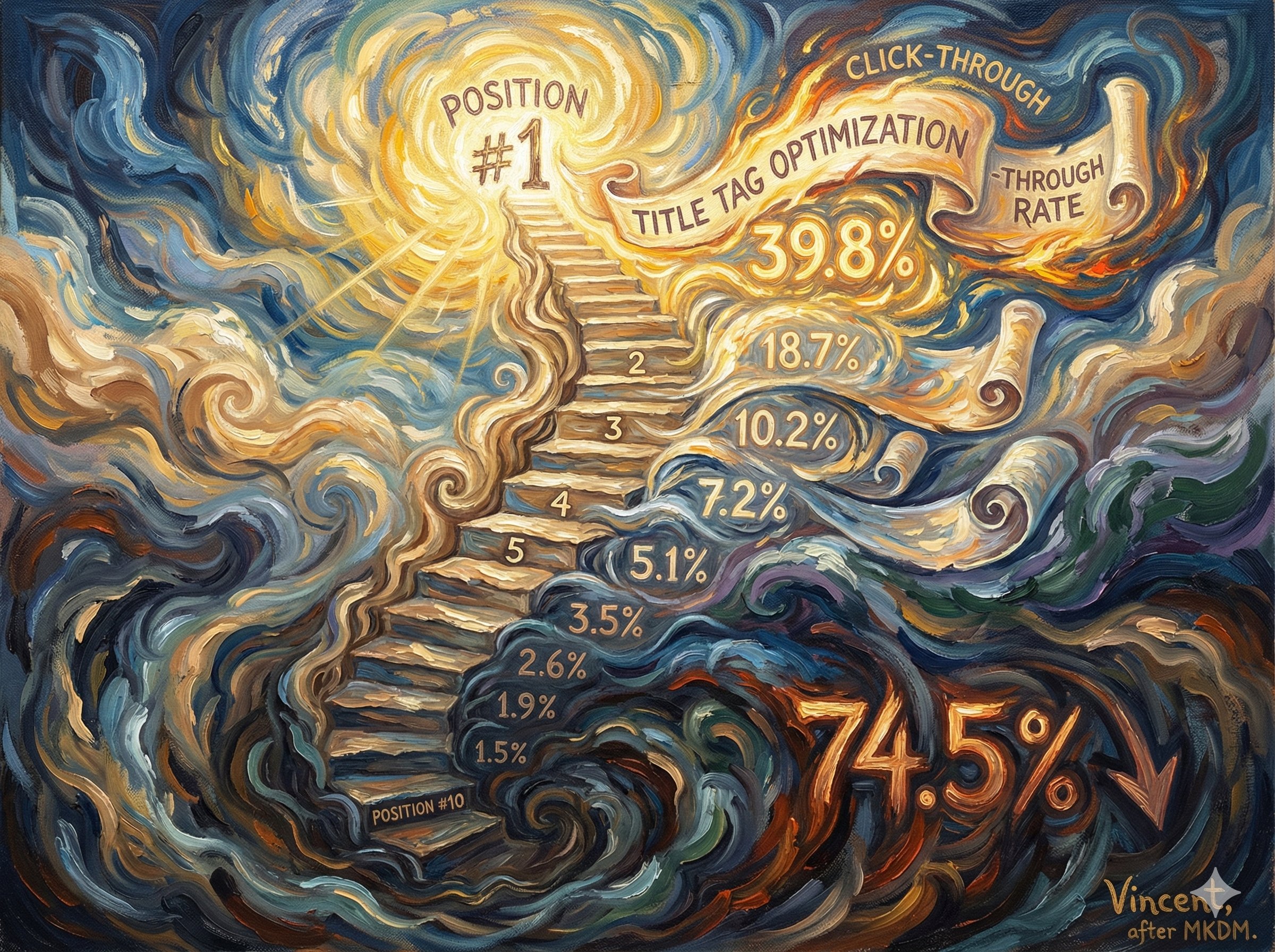
Most on-site SEO advice circulating online is opinion-based. Marketers repeat the same tips—optimize your title tags, add keywords to headers, improve page speed—without quantifying the actual impact. According to FirstPageSage data, the #1 organic result captures 39.8% of all clicks. That's the prize on-site SEO optimization is competing for.
But how much do individual elements actually contribute? I analyzed 18 studies from 2024-2025 to separate the high-impact tactics from the noise. The findings challenge some assumptions while reinforcing others with hard numbers.
The stakes are higher than ever. Search engine results pages increasingly feature AI-generated summaries, rich results, and featured snippets. On-site SEO is no longer just about ranking—it's about structured content that AI systems can understand and cite.
How We Analyzed On-Site SEO Factors
This analysis synthesizes data from industry-leading research sources including Ahrefs, SEMrush, Backlinko, AIOSEO, and Exploding Topics.
My methodology focused on studies published between 2024-2025 that provided specific, quantified metrics. I excluded anecdotal evidence and prioritized research with sample sizes large enough to draw meaningful conclusions.
The analysis covered four primary on-site SEO factors:
- Title tags and click-through rates - How title optimization affects SERP performance
- Core Web Vitals and page experience - Performance metrics tied to business outcomes
- Content structure and headers - H1-H6 tag usage and search engine comprehension
- Mobile optimization - Device-specific user experience factors
One limitation: several areas lacked rigorous 2024-2025 studies, particularly schema markup adoption rates and alt text impact data. I acknowledge these gaps in the limitations section.
What the Data Shows About Title Tags and CTR
Title tags remain one of the most scrutinized on-page SEO elements—and the data reveals some surprising dynamics.
According to a 2025 study by John McAlpin, Google rewrites 76% of titles displayed in search results, up from 61% in 2022. This doesn't mean title optimization is pointless—it means you need to write titles that Google wants to display.
Here's what the click-through rate data shows:
- Position matters enormously: Moving from position 2 to position 1 generates 74.5% more clicks, according to AIOSEO research.
- Rich results dominate: Rich results capture 58% of clicks versus 41% for non-rich results.
- Featured snippets win big: Featured snippets achieve the highest CTR at 42.9%.
Brian Dean of Backlinko emphasizes strategic header usage: "Make sure to include your keyword in H1, H2 or H3 tags. Including your target keyword in a subheader can help us rank higher for that keyword as it helps Google (and users) understand what our content is about."
Yet surprisingly, Fresh Chalk research found that 25% of small business websites don't have an H1 tag at all. Basic on-site SEO optimization—proper header hierarchy, descriptive meta descriptions, and keyword-optimized title tags—still differentiates many sites.
The data suggests title tags influence rankings indirectly. Well-optimized titles improve click-through rates, which send positive user engagement signals back to search engines. It's a feedback loop where on-page optimization impacts off-page metrics.
Core Web Vitals: The Performance-Revenue Connection
Performance optimization has evolved from a nice-to-have into a revenue driver. Core Web Vitals—Google's metrics measuring loading speed (LCP), interactivity (INP), and visual stability (CLS)—now directly correlate with business outcomes.
According to Upward Engine research, 54.2% of websites fail to meet "good" Core Web Vitals thresholds. The consequences are measurable: slow domains experience 3.7 percentage points worse visibility than fast domains.
The case studies tell a compelling story:
- Swappie achieved a 55% LCP improvement, resulting in a 42% increase in mobile revenue.
- Vodafone improved LCP by 31%, generating an 8% increase in online sales.
- One healthcare provider improved mobile Core Web Vitals and saw a 43% increase in mobile conversion rates.
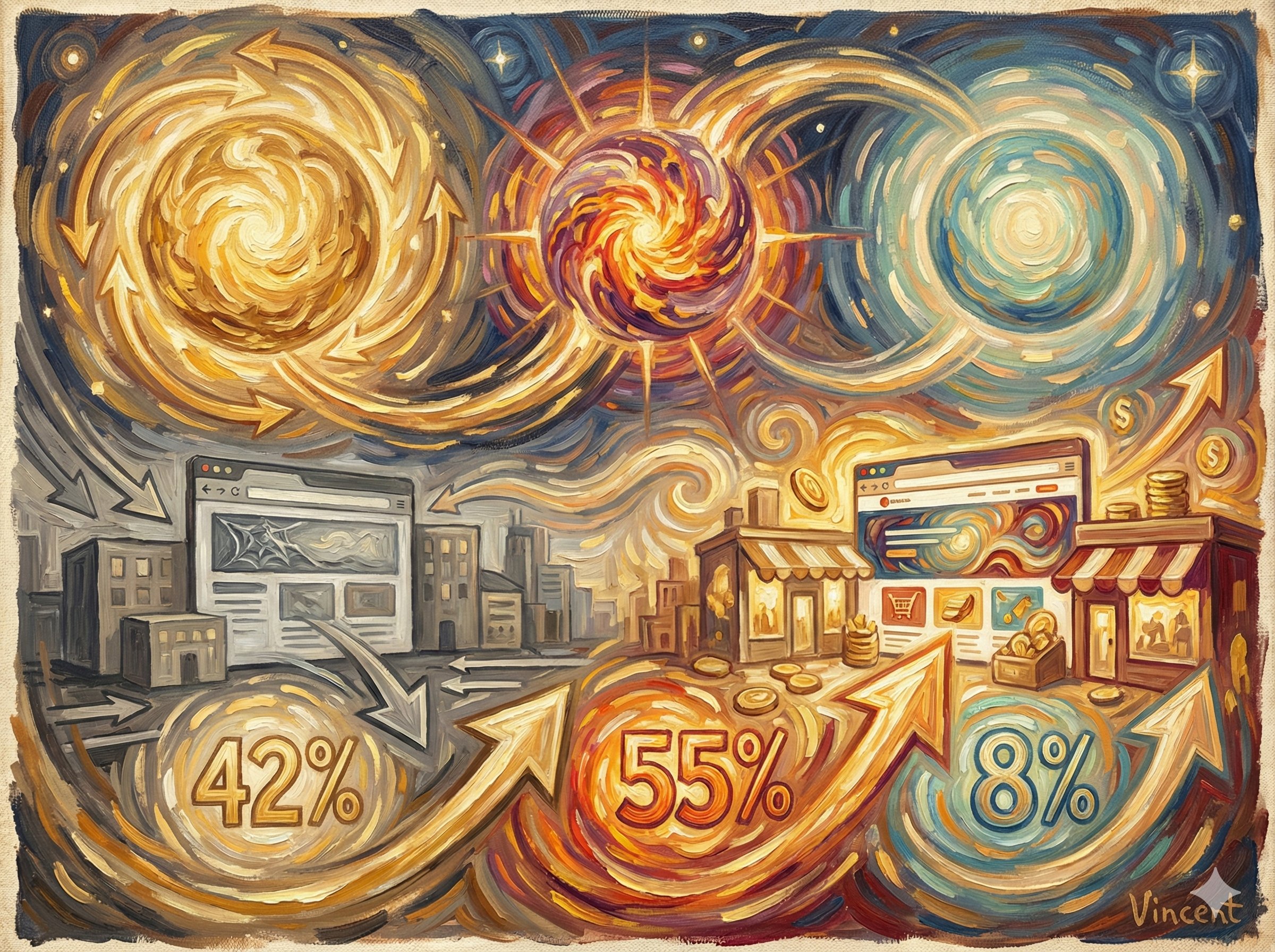
These aren't marginal gains. According to Upward Engine's analysis, a 1-second delay can reduce conversions by up to 7%. When 83.58% of Google traffic comes from mobile devices, page experience isn't optional.
Investing in technical SEO that addresses Core Web Vitals delivers compound returns: better rankings, higher conversion rates, and improved user experience across devices.
What This Means for Your Strategy in 2026
The research points to several high-impact on-site SEO strategies for the year ahead.
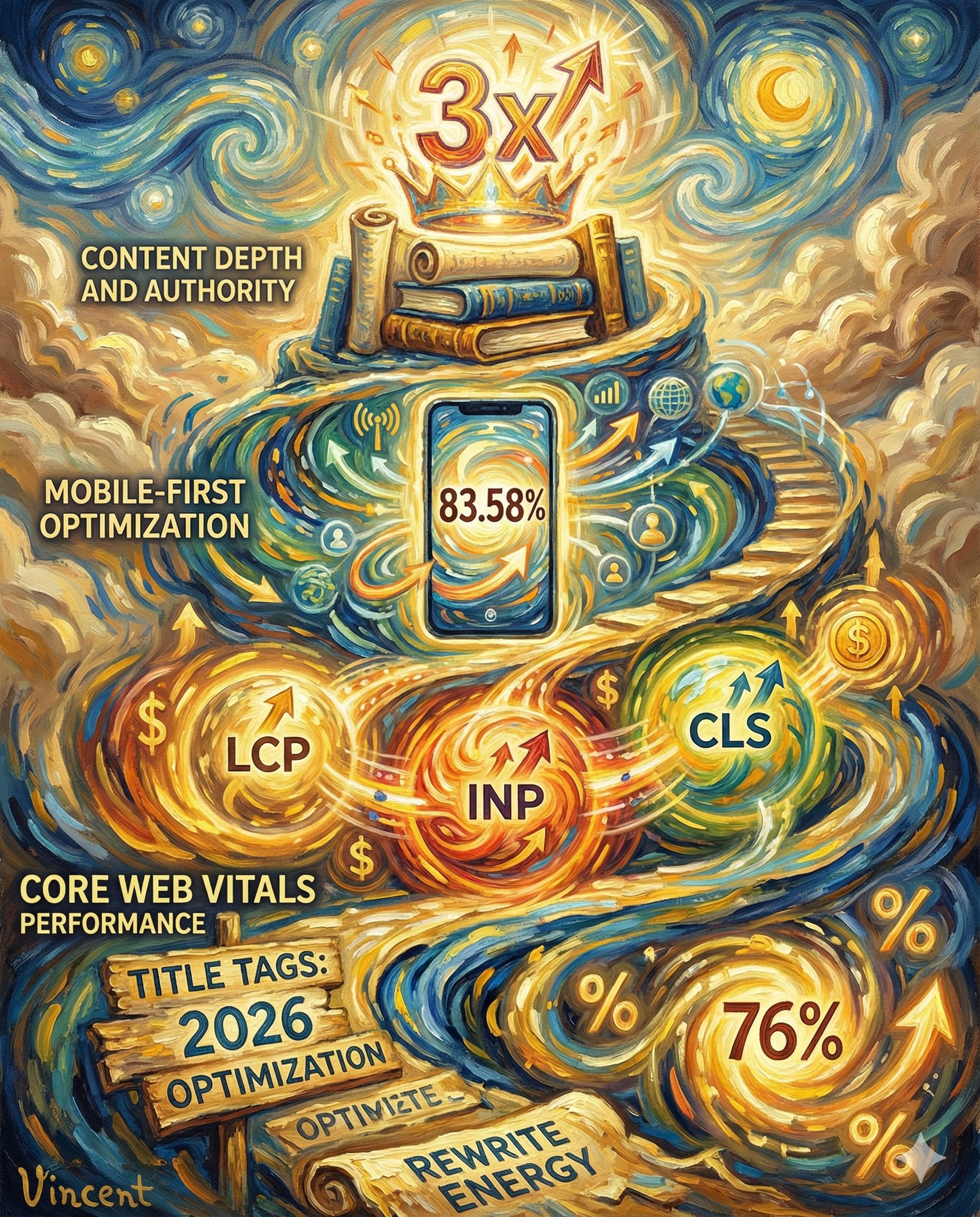
Title optimization still matters—strategically. Even with Google rewriting 76% of titles, the original title influences what Google displays and affects how you appear in AI-generated summaries. Write titles that match user intent, include target keywords, and deliver on their promise in the content.
Performance optimization has direct ROI. The Swappie and Vodafone case studies demonstrate that Core Web Vitals improvements translate to revenue. Prioritize LCP (loading speed) since it showed the strongest correlation with business outcomes.
Mobile-first is mandatory. With 92.3% of users accessing the internet via mobile phone and mobile organic CTR running roughly 50% lower than desktop, mobile experience optimization is non-negotiable.
Lily Ray, VP of SEO Strategy at Amsive Digital, reinforces the importance of structured on-page elements: "Aligning content with Google's E-E-A-T standards through structured on-page elements like entity optimization and quality signals is essential for AI-driven SERPs."
Content depth correlates with link acquisition. According to AIOSEO data, content over 3,000 words wins 3x more traffic than average-length content, and long-form content receives 77.2% more backlinks than short-form.
For marketers leveraging AI SEO tools, these data points provide benchmarks for optimization priorities. Focus on measurable factors—page speed, mobile experience, content structure—rather than subjective "best practices."
Limitations and What We're Still Learning
This analysis has limitations worth acknowledging.
Correlation vs. causation: Many SEO studies measure correlation rather than direct causation. Sites ranking #1 tend to have optimized titles—but optimized titles alone don't guarantee #1 rankings.
Rapidly evolving landscape: AI search integration is changing how search engines evaluate content. Studies from early 2024 may not fully reflect late 2025 algorithmic behavior, and 2026 will likely bring further shifts.
Data gaps identified:
- Schema markup: Quantified 2024-2025 studies on schema adoption rates and CTR improvement are limited. Most available statistics date from pre-2024.
- Alt text and image SEO: Rigorous studies quantifying alt text impact on rankings are scarce.
- URL structure: Recent empirical studies measuring URL optimization effects are limited.
Google's Search Essentials continue to emphasize core on-site SEO fundamentals—helpful content, clear structure, and good user experience. But the specific weights and interactions between ranking factors remain proprietary.
The research direction for 2026 should focus on AI citation patterns: how do generative AI systems evaluate and cite content? Which on-page elements influence AI-generated summaries? These questions will shape on-site SEO strategy as search evolves.
Ready to Optimize Your On-Site SEO?
The data is clear: on-site SEO optimization delivers measurable results when focused on the right elements. Title tags, Core Web Vitals, mobile experience, and content structure each contribute to search performance.
At Matt Kundo Digital Marketing, I help businesses cut through the noise and focus on what actually moves rankings. My data-driven approach prioritizes measurable improvements over generic advice.
What I can help with:
- On-site SEO audits backed by performance data
- Core Web Vitals optimization for better conversions
- Content structure improvements for AI-ready pages
- Strategic internal linking for topic authority
Explore my SEO services or get in touch to discuss your on-site SEO strategy.
Sources
- SE Ranking - SEO Statistics 2026 (FirstPageSage CTR data)
- Exploding Topics - SEO Statistics (John McAlpin title tag study)
- AIOSEO - SEO Statistics 2025 (Position, CTR, and content length data)
- Backlinko - SEO Stats (Mobile traffic, H1 adoption data)
- Upward Engine - Core Web Vitals Impact (Performance case studies)
- Weblogic - Core Web Vitals 2025 (Vodafone case study)
- Moz - On-Site SEO Guide (Foundational concepts)
- Google Developers - SEO Starter Guide (Official recommendations)