How to Optimize Performance Max: A Hands-On Playbook for 2026
The exact sequence I run on a new PMax account in 2026: fix the conversion signal, prune brand traffic, tighten assets, then touch bids. Order matters.

Published Jul 29, 2026.

To optimize Performance Max in 2026, I steer the AI with better inputs instead of trying to micromanage placements. I fix the conversion signal, prune brand traffic, tighten asset groups to Excellent ad strength, and only then touch bids. That order matters more than any single tactic.
I have managed Google Ads campaigns for clients across energy, SaaS and professional services, and PMax has been the single most misused campaign type I inherit. Advertisers pour budget into it, watch conversions climb, and never notice that 70% of those conversions were their own brand traffic Google was reselling back to them. This playbook is the exact sequence I run on a new PMax account, in the order I run it.
Key takeaways
- Performance Max is an inputs game. Optimization means fixing your feed, first-party data, negatives, and asset quality, not chasing placements you cannot see.
- Diagnose before you touch. Branded conversion inflation, low ad strength, and premature bid tightening cause more damage than any Google update.
- Structure follows data density. Fewer PMax campaigns with denser conversion data outperform many granular ones almost every time.
- 2026 finally gave advertisers real controls: campaign-level negative keywords, first-party audience exclusions, and asset-level channel reporting.
- For lead gen, the ecommerce PMax playbook does not translate. Your conversion definition and audience signals need a different setup.
What does it mean to optimize Performance Max?
Performance Max optimization is the practice of improving the inputs a fully automated Google Ads campaign uses, so Google's machine learning delivers profitable conversions instead of easy branded ones. You are not choosing keywords, bids, or placements at the auction level. You are steering the algorithm with feeds, signals, negatives, assets, and goals.
That single reframe changes everything. Traditional Search optimization is auction management. PMax optimization is data curation. When I hear a client say "I optimized my Performance Max campaign by raising bids," I know we have work to do.
How do I diagnose Performance Max before I touch anything?
I run a three-symptom triage before I change a single setting. Skipping this step is why most PMax fixes fail.
The first symptom is branded conversion inflation. Pull your search terms insights and look for your company name, product name, or common brand queries. According to TrafficGuard (2025), PMax naturally prioritizes brand terms because they convert cheapest, which inflates campaign ROAS while starving true new customer acquisition. If more than a small share of your conversions come from brand searches, that is your first fix.
The second symptom is a low or average ad strength score on more than half your asset groups. Ad strength is not just a vanity metric. Google Ads Help (2025) states that ad strength Good or Excellent is a prerequisite for full auction eligibility, and Poor asset groups quietly get throttled.
The third symptom is premature target tightening. If someone set Target CPA or Target ROAS before the campaign hit 30 to 50 conversions per month, the algorithm never learned. Roll back to Maximize Conversions or Maximize Conversion Value, then reintroduce targets in small steps.
Only after all three are handled do I touch structure, budget, or bids.
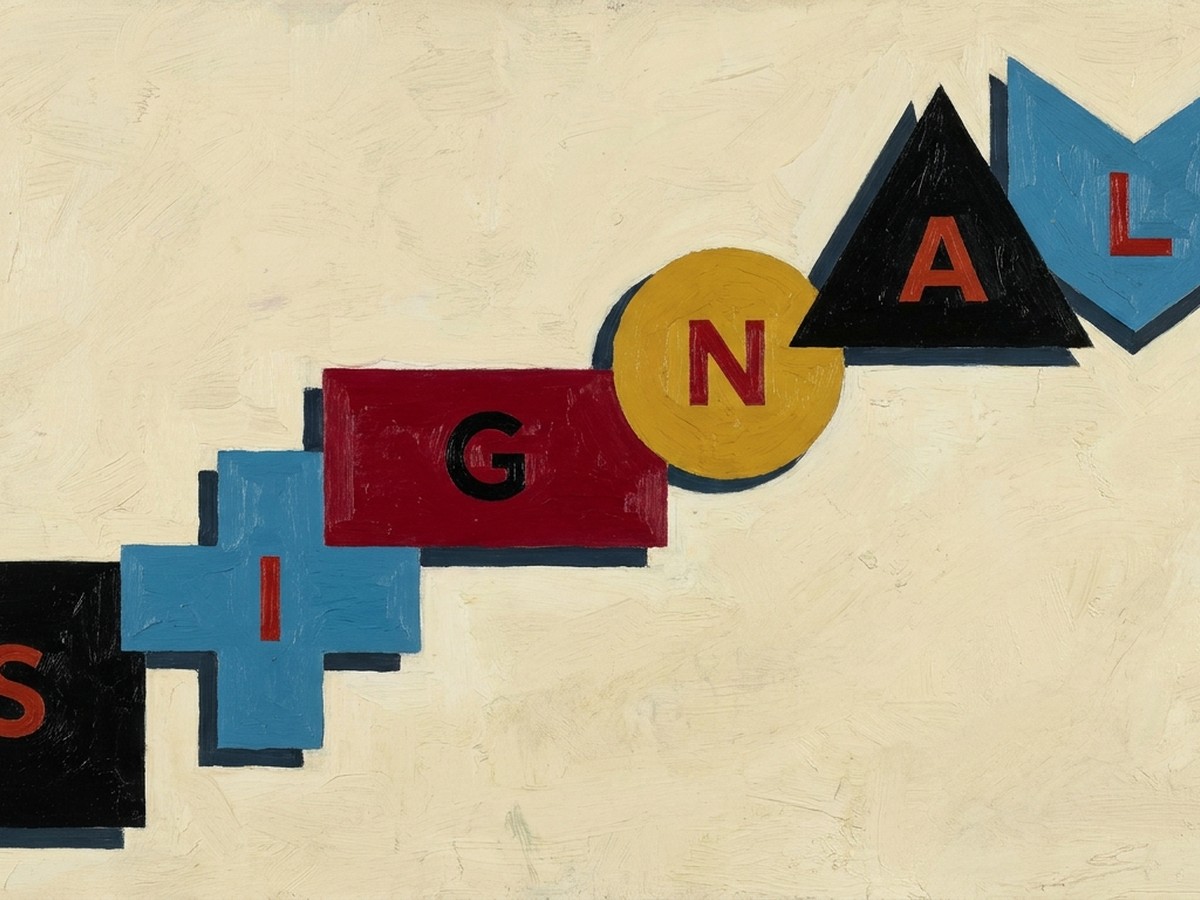
The MKDM SIGNAL framework for PMax optimization
I use a six-lever framework called SIGNAL because PMax is a signal game. Every optimization decision fits under one of six letters. If a proposed change does not map to a letter, it is probably a distraction.
- S: Structure, how many campaigns and asset groups you run.
- I: Inputs, product feed quality, first-party data, and audience signals.
- G: Goals, bidding strategy and conversion definition.
- N: Negatives, brand exclusions, negative keywords, and audience exclusions.
- A: Assets, image, video, and text quality across every asset group.
- L: Learning, how long you leave the campaign alone to train.
I walk each one below in the order I optimize them.
How should I structure Performance Max campaigns in 2026?
Structure first, because bad structure poisons every other lever. The single biggest mistake I see is over-segmentation: teams create six PMax campaigns for six product categories and dilute conversion data across all of them.
Irene Ehrengruber, Team Lead Solution Engineering at Smarter Ecommerce, published a 2026 analysis of over 1,000 PMax campaign setups showing that spreading conversion data across too many granular campaigns prevents the algorithm from learning, and often produces lower tROAS than a single well-fed campaign. Data density beats granularity almost every time.
My rule: one PMax campaign per meaningful profit pool with at least 30 monthly conversions. Split only when a segment has enough conversion volume to sustain its own learning. Inside each campaign, run two or three asset groups organized around themes an audience would recognize, not around your internal SKU taxonomy.
What inputs should I feed Performance Max?
Once structure is stable, inputs are where the biggest wins live. Three inputs actually move outcomes: your product feed, your first-party data, and your audience signals.
For ecommerce, your Merchant Center feed is the campaign. Custom labels for margin, stock velocity, and seasonality let the algorithm bias toward products that matter. Ben Vigneron, VP of Analytics at Blackbird PPC, has publicly argued that PMax feed quality now explains more variance in outcome than bidding does for retail accounts.
For every account, first-party data is the highest signal you can send. Customer Match lists of past buyers, high-value segments, and repeat customers give Google a real seed to model against. Amy Hebdon, Founder of Paid Search Magic, has spoken at HeroConf about first-party signals being the difference between PMax finding new customers and PMax recycling old ones.
Audience signals are not targeting. They are seed data. Keep them broad, not restrictive, and prioritize custom intent audiences built from your competitors' brand searches.

How do I set Performance Max bids and goals?
Bidding is where accounts blow themselves up. The rule that has held for me across dozens of accounts: start every new PMax campaign on Maximize Conversions or Maximize Conversion Value, and do not add a Target CPA or Target ROAS until the campaign has 30 to 50 conversions per month.
According to Google Ads Help (2025), Google recommends running new PMax campaigns for at least six weeks before making major optimization changes, because the machine learning algorithm needs that long to ramp. When you do introduce targets, move them 10% to 15% at a time and watch conversion volume. If you tighten too fast, PMax will throttle spend and starve itself of data.
If your product prices vary, use Maximize Conversion Value with a target ROAS instead of Maximize Conversions with a target CPA. Two products that cost the same to acquire can be worth vastly different amounts, and PMax needs value data to make that trade.
What negatives and exclusions should Performance Max use?
For years, PMax negatives were a workaround. In 2026, they are a real feature set. Three exclusions matter:
Brand exclusions, first launched in 2023 for Search and extended to Performance Max, prevent PMax from serving on your own brand queries. According to blog.google (2025), Google expanded brand exclusion controls again in 2025, and Google Business Accelerate (2026) confirmed further steering updates in 2026. If you sell anything under a recognizable brand name, apply a brand exclusion list on day one.
Campaign-level negative keywords finally shipped for Performance Max in 2026. According to Google Business Accelerate coverage (2026), advertisers can now add negative keywords directly at the campaign level instead of contacting support. Use this to block obvious wasted queries and unrelated intents you can see in the search terms insights report.
First-party audience exclusions, also new in 2026 according to Google Business Accelerate, let you exclude specific Customer Match lists (existing customers, low-value segments) and force PMax toward incremental new customer acquisition. This is the single most impactful 2026 lever if you already have a healthy first-party data foundation.
How should I manage assets and ad strength?
Aim for ad strength Excellent on every asset group, then keep it there. In practice that means at least five headlines, four descriptions, twenty image assets across the required aspect ratios, and at least one uploaded video per asset group. If you do not upload a video, Google will auto-generate one from your images, and the auto-generated version consistently underperforms.
According to third-party 2026 coverage of Google's PMax controls, search themes are now capped at 25 per asset group, so treat them like a curated shortlist of your best commercial-intent queries, not a keyword dump. I refresh the bottom 20% of assets in each asset group every 30 days based on the Low performance rating in the asset library.

How long should I leave Performance Max alone to learn?
Six weeks is the floor. Google Ads Help (2025) explicitly recommends a minimum of six weeks before making significant optimization changes on a new PMax campaign, because the machine learning algorithm needs that long to gather enough data. During that ramp, resist the urge to raise or lower bids, add new asset groups, or restructure the campaign.
The only interventions I make in the first six weeks are safety fixes: applying brand exclusions before spend leaks, replacing Poor rated assets, and correcting a broken conversion action. Everything else waits.
What changed in Performance Max for 2026?
Four platform updates redefine how I optimize PMax in 2026. According to Google Business Accelerate (2026), Google shipped campaign-level negative keywords, first-party audience exclusions, expanded brand steering, and asset-level channel reporting as one bundled release. Semdispatch (2026) reports that the negative keyword rollout was the most requested PMax feature since launch.
The practical implication: PMax is finally close to feature parity with Search for advertiser control. If your last serious PMax audit was in 2024, everything about how you exclude, report on, and steer the campaign has changed.
Is optimizing Performance Max different for lead gen vs ecommerce?
Yes, and this is where most playbooks fall over. The ecommerce PMax playbook assumes a Merchant Center feed, purchase conversions, and thousands of monthly transactions to train against. Lead-gen accounts have none of that.
For lead gen, I do three things differently. First, I use offline conversion imports from a CRM (HubSpot, Salesforce) so PMax optimizes toward qualified leads and closed revenue, not raw form fills. Second, I raise the conversion threshold before introducing tCPA, because 30 conversions of qualified leads at a $200 CPA is a very different dataset than 30 ecommerce transactions. Third, I lean much harder on first-party audience signals because there is no product feed doing the heavy lifting.
12-point Performance Max optimization checklist
- Apply brand exclusion list before you launch.
- Set conversion tracking to Maximize Conversion Value if prices vary.
- Start on Maximize Conversions or Maximize Conversion Value, no target.
- Upload one custom video per asset group (do not rely on auto-generation).
- Reach ad strength Excellent on every asset group.
- Add at least one Customer Match list as an audience signal.
- Cap search themes at 25 curated commercial-intent queries per asset group.
- Wait a full six weeks before your first bid change.
- Introduce tCPA or tROAS in 10 to 15% increments, only after 30 monthly conversions.
- Refresh Low rated assets every 30 days.
- Review search terms insights weekly and add campaign-level negatives.
- For lead gen, wire offline conversion imports from your CRM.
Frequently asked questions
How do I add negative keywords to Performance Max in 2026?
As of the 2026 update from Google Business Accelerate, you can add campaign-level negative keywords directly in the Google Ads interface under the Keywords tab of any Performance Max campaign. Before 2026, this required a request to Google Ads support.
What is a good ad strength score for Performance Max?
Aim for Excellent on every asset group. Google Ads Help (2025) confirms that Good or Excellent ad strength is a prerequisite for full auction participation, and Poor rated groups are quietly throttled.
How many conversions does Performance Max need to work?
Google recommends at least 30 conversions per month per campaign as a floor before introducing Target CPA or Target ROAS bidding. Below that, keep the campaign on Maximize Conversions or Maximize Conversion Value.
Should I use brand exclusions in Performance Max?
Yes, on almost every account. TrafficGuard (2025) has documented that PMax naturally over-attributes conversions to branded queries, which inflates reported ROAS and starves the algorithm of new customer signal.
How long should I let Performance Max learn?
A minimum of six weeks, per Google Ads Help (2025), before making significant optimization changes. During the ramp, only apply safety fixes like brand exclusions and Poor asset replacements.
Can I see the search terms Performance Max targets?
Partially. The search terms insights report shows category-level themes and top queries, but not the full query list you get in Search campaigns. Use it to identify negative keyword candidates and audience signal ideas.