I was exchanging emails with a client this week about 2026 marketing priorities when something clicked. We were sharing articles, trading opinions about what makes brands stand out in this strange AI-hype epoch we're living through. And somewhere in the back-and-forth, a thesis emerged that I haven't been able to shake.
The conversation started simply enough. My client shared an SEO article about what's coming next year, and we got into the weeds about where to focus energy and budget. But then I shared an idea that's been rattling around my head:
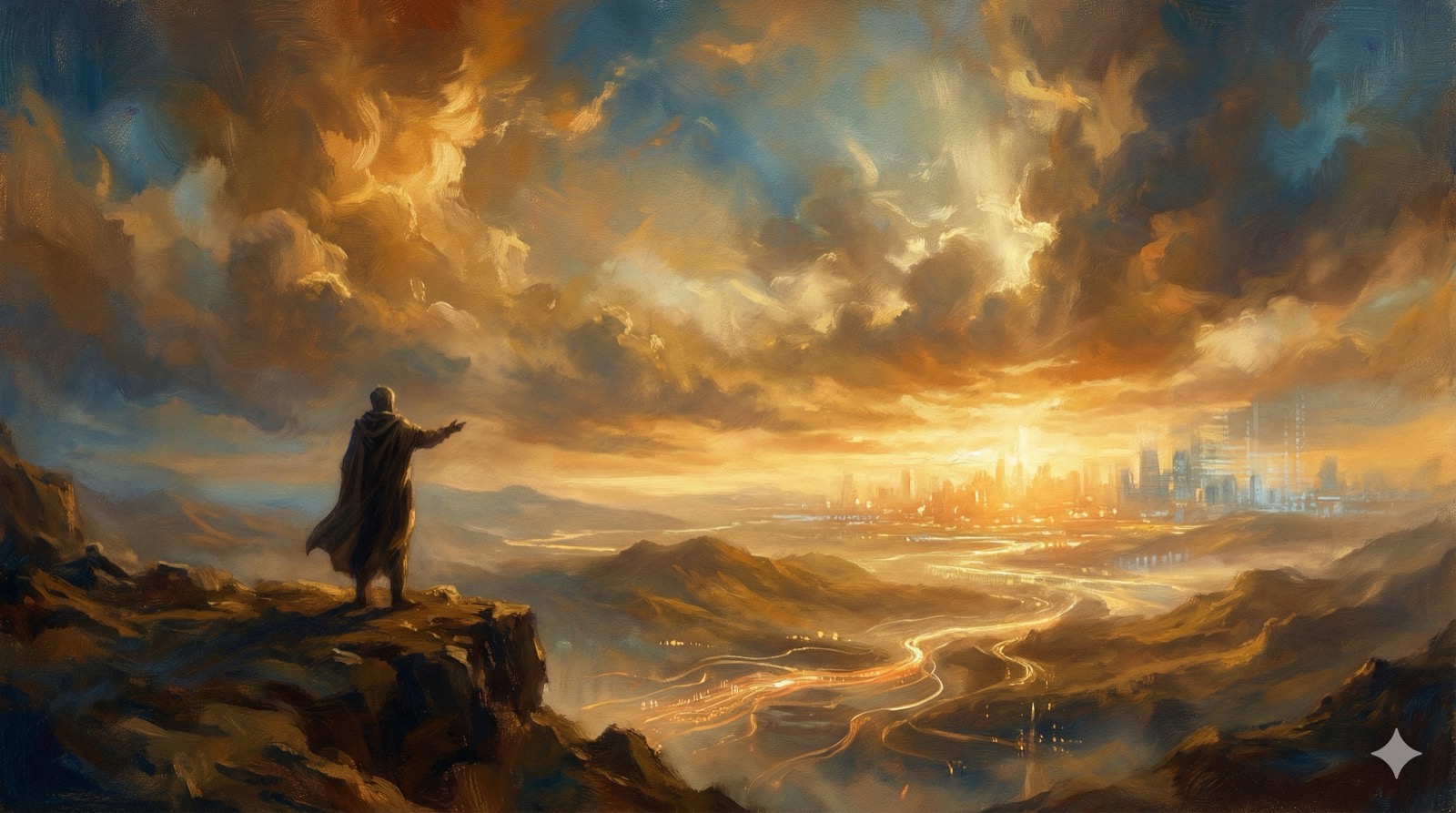
"I read an article recently saying that the most highly valued marketing job in the future is going to be that of a storyteller: a person who can tell the story of a brand in an engaging way. In a time where AI can handle the regurgitative aspects of what's put out into the world, storytelling is what's going to provide the human layer and inspiration for motivating consumer engagement with a brand."
That's what I wrote, and I meant every word of it.
Table of Contents
The Storyteller Thesis
Think about where we are right now. According to recent industry research, 89% of marketers are already using generative AI tools. That's not a trend anymore. That's the baseline. Everyone has access to the same content engines, the same optimization tools, the same ability to produce "good enough" content at scale. As detailed in our analysis of AI's transformation of digital marketing, these tools have moved from experimental to essential.
So if everyone can generate content, what actually differentiates?
The answer isn't more content. It's better stories.
Here's what the data tells us: Only 44% of B2B marketers rate their AI-generated content as "good." Not great. Not compelling. Just... good. That's a C-grade at best. And audiences can feel it. For guidance on implementing AI content creation that maintains quality, see our practical guide to generative AI for content creation. Research shows that 83% of marketers now say it's more effective to focus on quality over quantity, which suggests a growing awareness that the content treadmill isn't working.
Here is my own read on where that leads, offered as opinion rather than dressed up as a finding. When AI handles the regurgitative work, storytelling becomes the human layer. The inspiration layer. The part that actually motivates people to care.
Signal in a Sea of Noise
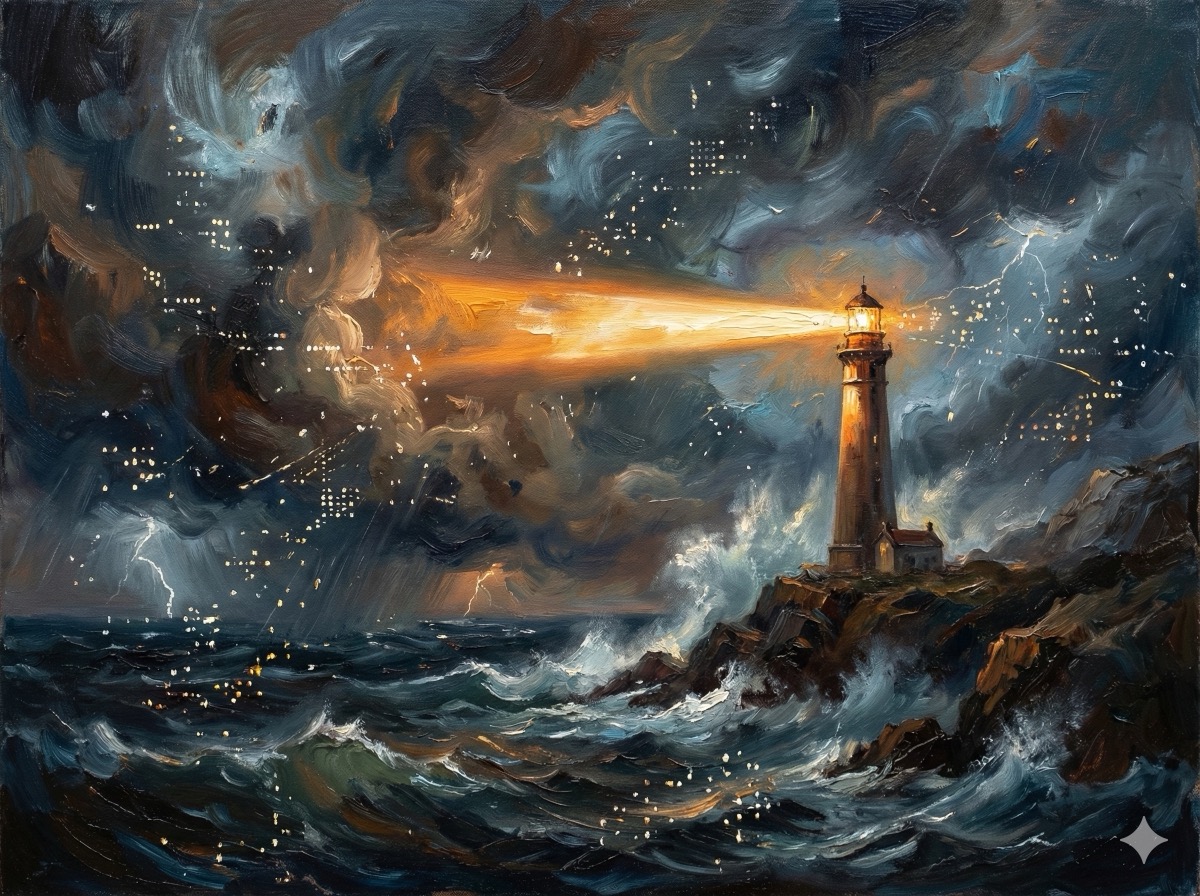
I'm a big believer in following signals and avoiding noise. Steve Jobs was famously good at that.
I wrote that in my email, and I think it's the key to understanding why storytelling matters more than ever. We're drowning in content. 91% of global brands now use content marketing. Every company with a website has a blog. Every marketer has a newsletter. The noise is deafening.
And people are responding predictably. 58% of millennials say they'll unsubscribe from a brand's content if it feels irrelevant or too generic. They're not anti-content. They're anti-noise.
Storytelling is signal. It cuts through because it carries meaning, perspective, a point of view. When everything else sounds the same, voice is what stands out. User-generated content delivers 8.7 times higher engagement than brand-created content, not because it's better produced, but because it feels real. Human. Authentic.
That's the signal your audience is looking for.
The Search Landscape Is Changing
While we're talking about big shifts, I should mention something else that came up in our conversation:
"2026 is indeed going to have such a large focus for brands on getting in front of people on popular LLM platforms. The landscape of Search has changed dramatically for sure. I've personally revised my workflows to focus primarily on GEO/AEO, whatever you wanna call it."
That's true. AI Overviews now appear for nearly 10% of all keywords, up 116% in a single year. Pew Research Center tracked the browsing data of 900 U.S. adults and found they clicked a traditional search result in just 8% of visits where an AI summary appeared, compared with 15% of visits without one. People are getting their answers directly from AI and skipping the click. The whole discovery game is changing, which is why understanding generative engine optimization (GEO) has become critical for brands.
But here's the irony I keep coming back to: LLMs reward authentic, authoritative content. The sources that get cited in AI-generated answers tend to be the ones with clear perspective, genuine expertise, and distinct voice. 89% of AI Overview citations come from pages that aren't even in the top 10 organic rankings.
So optimizing for machines doesn't mean writing for machines. If anything, it means writing more like a human, with more conviction, more clarity, more story.

The Case for Human Writing
I want to be careful here. I'm not anti-AI. My own workflows lean heavily on these tools. But I said something else in that email conversation that I think matters:
"I would hate to lose sight of purely human written content. The first blog post that [a member of the client's team] wrote was great, and I would hate to lose the magic of those entirely to AI generated, SEO focused articles, though I know we're all busy and it's hard to actually sit down and write something like that often."
There's a magic in purely human-written work that I haven't seen AI replicate. Not yet, anyway. Maybe not ever. It's the unexpected turn of phrase. The personal aside. The tangent that somehow makes the point more clearly than the point itself would have.
The data supports this too. 59% of Gen Z consumers say they trust influencers over branded content when making purchase decisions. It's not that influencers have better information. They have more human delivery. More personality. More of the messy, imperfect authenticity that signals "this is real."
AI-generated content has its place. But if everything becomes AI-generated, if we lose the magic of those purely human moments, we lose something that audiences genuinely value.
Escaping the AI Hype Epoch
I'll admit something that might sound strange for a digital marketer: I need breaks from all of this.
"I'm always trying to consume such digital marketing material, though I'll admit, I can only read so many SEO and digital marketing articles before I have to turn to something like Anna Karenina or some such story outside our wonderful (yet sometimes horrific) AI-hype epoch."
That's what I wrote, and I meant it. I read Tolstoy. I read fiction that has nothing to do with marketing or technology or AI. Not as an escape from work, but as training for it.
Great storytellers throughout history understood something that marketing content often forgets: people are moved by conflict, resolution, character, surprise, beauty, and truth. Those elements don't change because we have new tools. If anything, they become more important as the tools become more capable of producing everything else.
The marketers who will tell the best brand stories in 2026 and beyond are probably the ones reading outside their industry, absorbing the patterns of timeless storytelling, and bringing that depth back to their work.
Stroking the Human Soul
Let me circle back to where this started. At the end of my email, after all the talk about AI and GEO and shifting landscapes, I wrote something simpler:
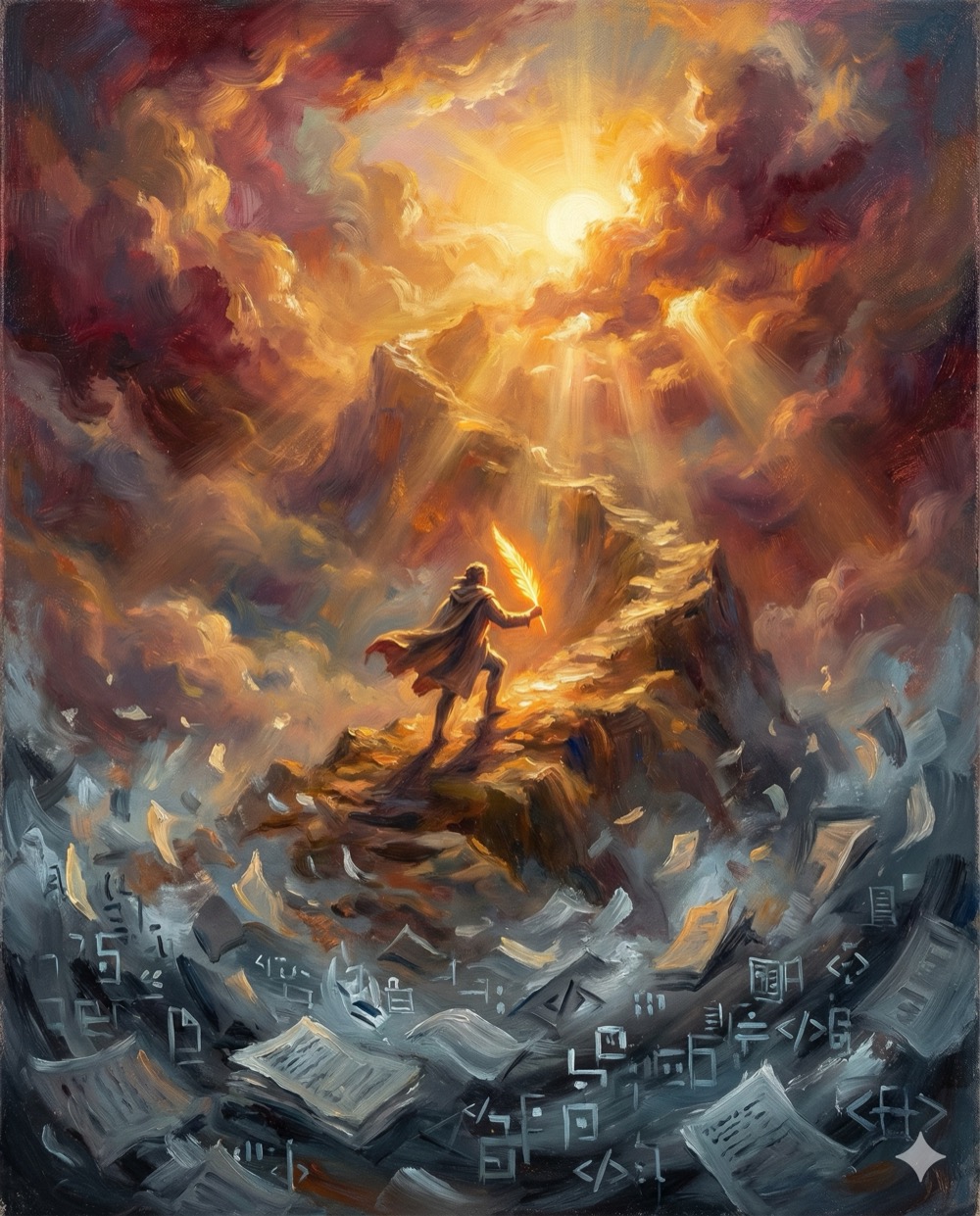
"Businesses that will stand out in 2026 and beyond will be ones that can stroke the human soul. Just my 2 cents."
That phrase, "stroke the human soul," might sound sentimental. But I think it's actually the most practical insight in this whole conversation. Because in a world where AI can handle the regurgitative work, where content can be produced at infinite scale, where everyone has access to the same tools, the differentiator is the one thing AI can't replicate: genuine human connection.
That's not sentimentality. That's competitive strategy.
The businesses that win the next decade will be the ones that invest in storytelling capability alongside AI tools. They won't lose the human voice in pursuit of scale. They'll use AI for the regurgitative and save humans for the inspirational.
That's the storyteller's advantage. When everyone has AI, story is what remains.
Ready to build storytelling into your marketing strategy?
At Matt Kundo Digital Marketing, I help businesses cut through the noise and build marketing that actually connects.
Get in touch to start the conversation.